
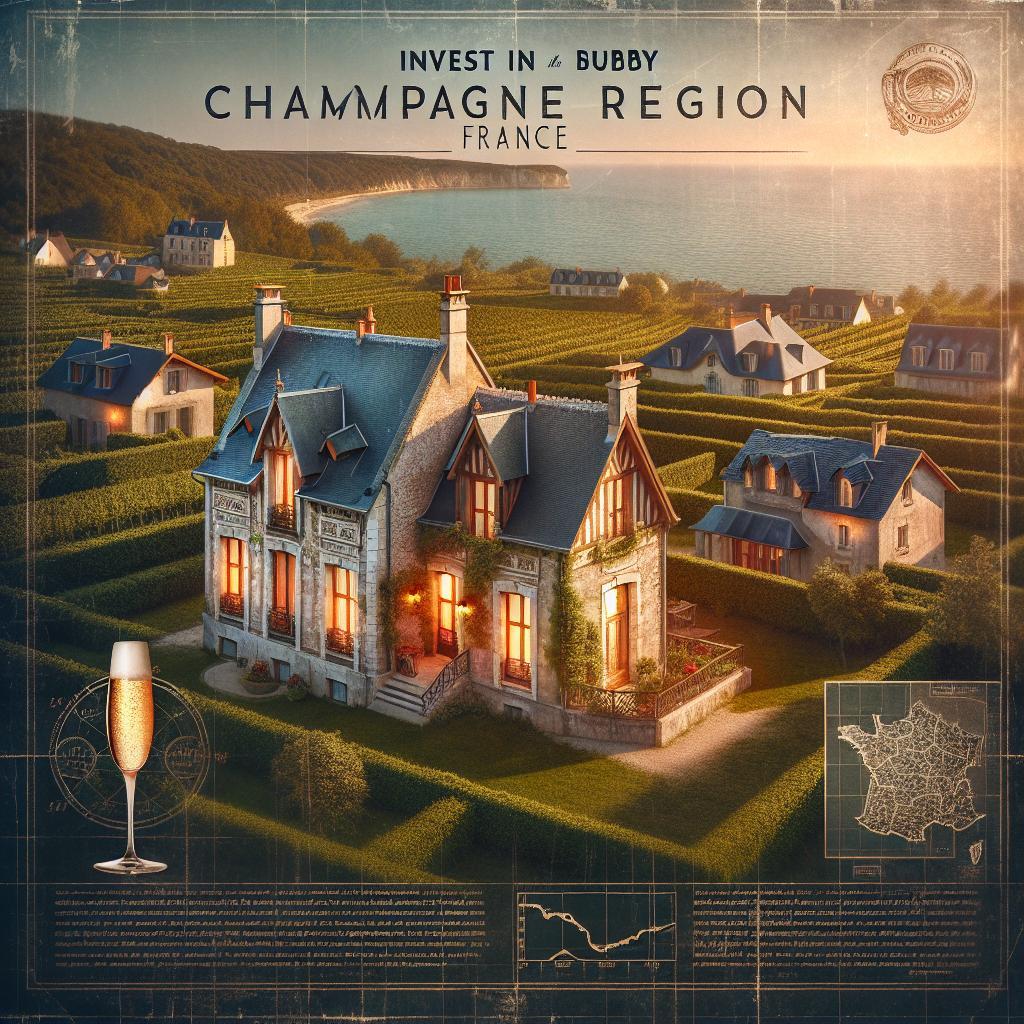
Welcome to the world of effervescent elegance, where the rolling vineyards and charming villages of the Champagne region create a breathtaking backdrop for real estate opportunities unlike any other. In this article, we’ll explore the “Champagne Region France Map: Invest in Bubbly Real Estate Heaven,” revealing how this picturesque locale is not just renowned for its world-class sparkling wines, but also offers a unique blend of culture, history, and investment potential. Whether you’re considering a serene countryside retreat or a vibrant property in a historic town, the Champagne region is poised to deliver both beauty and incredible returns. Join us as we uncork the treasures of this enchanting area and guide you through the steps to claim your slice of bubbly paradise.
Article Contents
- Explore the Allure of Champagne Realty
- Understanding the Champagne Region Layout
- Top Investment Opportunities in Champagne
- The Impact of Champagne’s Terroir
- Navigating Real Estate Market Trends
- Uncover Hidden Gems in Champagne
- Benefits of Owning Property in Champagne
- Commit to Champagne: A Lifestyle Choice
- Planning Your Visit to Champagne Properties
- Frequently Asked Questions
- What makes the Champagne region a unique location for real estate investment?
- How can I find the right property in the Champagne region?
- What are the financial considerations when investing in Champagne real estate?
- What are the potential risks associated with investing in the Champagne region?
- Are there specific property types that are more advantageous in the Champagne region?
- What is the local culture like, and how can it enhance property investment in the Champagne region?
- Wrapping Up
Explore the Allure of Champagne Realty
Champagne Realty offers a delightful blend of luxury, culture, and lifestyle that few regions can match. Nestled in the heart of France, the Champagne region is not just famous for its sparkling wines but is also home to an enticing selection of real estate options. From historic châteaux to charming vineyards and modern apartments, each property echoes the elegance and sophistication of the surrounding landscape. Imagine sipping your own vintage champagne on a sun-drenched terrace, all while overlooking rolling vineyards and picturesque villages—sounds tempting, doesn’t it?
Vibrant Neighborhoods and Unique Properties
When considering a real estate investment in Champagne, you’ll find neighborhoods rich with character. Here are a few gems to explore:
- Épernay: Known as the “Capital of Champagne,” its cozy streets are lined with renowned champagne houses and charming bistros.
- Reims: A blend of history and modernity, this vibrant city boasts stunning Gothic architecture and a lively cultural scene.
- Louvois: For those who favor tranquility, this quiet village offers beautiful homes amidst scenic vineyards.
Investment Potential
The allure of the Champagne region extends beyond its aesthetic charm. This area presents incredible opportunities for both residential living and investment. The region has experienced a steady increase in property values, making it an attractive option for both seasoned investors and first-time buyers. Investors can capitalize on the growing interest in vacation rentals, with tourists flocking here to sip and savor the local offerings.
Moreover, the burgeoning demand for sustainable and eco-friendly living has also opened new avenues in the real estate market. Green properties, particularly those integrated into the vineyard landscape, are becoming increasingly popular. These homes not only promise a serene lifestyle but also offer a chance to participate in the region’s renowned wine culture.
| Investment Type | Pros | Cons |
|---|---|---|
| Residential | Strong rental demand | Higher initial cost |
| Vineyard | Connection to local culture | Maintenance intensive |
| Vacation Rentals | Revenue during peak seasons | Seasonal fluctuations |
With its rich tapestry of history, culture, and investment potential, the Champagne region truly offers a bubbly real estate heaven that beckons to those looking for a slice of French elegance. Whether you’re clinking flutes over a business deal or finding your dream home amongst the vines, the region offers reasons aplenty to consider making a bubbly investment here.
Understanding the Champagne Region Layout
The Champagne region is more than just a geographical area; it’s a sparkling tapestry of unique vineyards and charming villages spread across three main departments: Marne, Aube, and Aisne. When you lay your eyes on a map, you’ll notice how these areas come together to create a distinctly beautiful wine-producing landscape. Each department offers its own character and terroir, contributing to the diverse flavors that make Champagne so special. Picture rolling hills adorned with neatly aligned vines, with quaint, storybook towns lurking just around the corner – it’s like stepping into a fairytale!
| Department | Notable Villages | Key Grape Varieties |
|---|---|---|
| Marne | Épernay, Ham, Ay | Pinot Noir, Chardonnay |
| Aube | Troyes, Bar-sur-Aube | Pinot Noir, Pinot Blanc |
| Aisne | Château-Thierry, Laon | Pinot Meunier |
Navigating the Champagne region can feel like embarking on a “choose your own adventure” story, where every path leads to a sparkling surprise. You could start in Épernay, often hailed as the “Capital of Champagne,” where a leisurely stroll along the Avenue de Champagne will show you prestigious houses like Moët & Chandon. Alternatively, heading south to the Aube region offers a more rustic allure, with smaller producers and the charm of family-run vineyards inviting you in for a tasting. It’s like finding a hidden gem in a treasure chest, waiting to be discovered.
Being well-acquainted with the geographical layout aids not only in planning your visits but also in understanding how local climates and soils influence wine production. The cooler northern areas cultivate Chardonnay, while the warmer southern sections favor Pinot Noir. If you’re looking to invest in real estate here, the location can significantly affect the potential value of your property. Properties nestled amidst the vines often fetch premium prices and attract keen buyers who value both a picturesque setting and proximity to renowned wine makers. Who wouldn’t want to pop open a bottle just steps from their front door? Just be sure to keep an eye on the changing market trends, as they can be as unpredictable as a cork popping!
Top Investment Opportunities in Champagne
Investing in the Champagne region isn’t just about popping bottles and savoring the bubbly; it’s about tapping into a unique real estate market that blends a prestigious heritage with promising future potential. This region, known for its picturesque vineyards and historic châteaux, offers an array of investment opportunities that can diversify your portfolio while also indulging your taste for luxury. Whether you’re a buyer, an investor, or simply a bubbly enthusiast, there’s a niche for everyone here.
Types of Properties to Consider
When it comes to real estate in Champagne, there’s no shortage of options. Here are a few types worth considering:
- Vineyard Estates: Owning a vineyard means more than just real estate—it’s about lifestyle. Imagine hosting intimate gatherings on your own property, complete with your personally labeled Champagne. It’s an investment wrapped in sparkling allure!
- Châteaux: These grand homes not only offer sweeping views and historical significance but also the potential to transform into luxurious guest accommodations. Think of the tourism revenue—visitors from around the world will want to experience ‘la vie en Champagne’ first-hand.
- Holiday Rentals: There’s a growing market for short-term rentals in the region. With stunning landscapes and excellent wine-tasting opportunities, your property could attract wine lovers or families looking for a serene getaway.
Market Trends and Considerations
Recent trends indicate that the Champagne real estate market is on an upswing, spurred by international interest in both the region’s wines and lifestyle. But, before you dive in, consider the following:
- Location is key: Properties closer to Épernay or Reims may hold more value due to higher tourist traffic. However, don’t overlook the charm of the surrounding countryside—sometimes, a hidden gem can provide the best returns.
- Understand local regulations: The Champagne region has specific laws regarding vineyard ownership and property development. Keep yourself informed to avoid any pitfalls.
- Engage with local experts: Building relationships with locals and real estate agents can provide invaluable insights into the best investment opportunities.
Aligning your investments with personal interests can lead to fulfilling returns—both financially and experientially. After all, living the dream of owning a piece of Champagne’s rich landscape isn’t just an investment; it’s a lifestyle upgrade waiting to sparkle.
The Impact of Champagne’s Terroir
The Champagne region of France is more than just a picturesque locale famed for its sparkling wine; it is a unique tapestry of geological and climatic factors that contribute to the complex character of Champagne. The concept of *terroir*—a term that encapsulates the unique environmental conditions of a specific area—plays a pivotal role in how grapes develop their flavors and the eventual quality of the bubbly. Imagine the soil, sun, and climate as a DJ mixing the perfect track: when they come together, something extraordinary happens.
The region boasts diverse terroirs, primarily characterized by its chalky soil, which isn’t just a coincidence. The chalky subsoil retains moisture while providing excellent drainage, which is essential during those hot summer days when the vines thirst for hydration. Here, you’ll find three main grape varieties—Chardonnay, Pinot Noir, and Pinot Meunier—each thriving in its specific microclimate, enhancing the region’s diversity.
The Influence of Climate
The distinct climate of Champagne, characterized by cool winters and warm summers, also contributes significantly to the wine’s acidity and freshness. This balance is crucial for producing the high-quality bubbles that we adore. An interesting fact is that even though Champagne’s climate is marginal for grape-growing, the constant interplay of sunshine, rainfall, and cool winds allows vintners to create wines with depth and complexity, each vintage telling its own story.
- Chardonnay: Best suited to the Côte des Blancs, producing elegant, fruity wines.
- Pinot Noir: Flourishes in Montagne de Reims, adding structure and body to blends.
- Pinot Meunier: Loves the Vallée de la Marne, bringing fruitiness and approachability.
The interplay of these elements produces a patchwork of flavors in Champagne wines, where each sip transports you to the very soil that nurtured those grapes. Ongoing research into terroir is uncovering nuances that continually reshape our understanding of this beloved beverage. Whether you’re sipping a blanc de blancs or a robust vintage, remember: the unique characteristics of every sip are deeply rooted in the ground beneath your feet.
Navigating the vast landscape of the real estate market can feel like trying to find your way through a dense vineyard during a grape harvest—confusing at times, but incredibly rewarding when you finally uncover that perfect investment. In the Champagne region, where sparkling wines are more than just beverages; they’re lifestyle elements, you need to stay tuned into market trends that define this unique locale.
Understanding local market dynamics is crucial. The Champagne region offers diverse opportunities, from quaint villages like Épernay, where every corner seems steeped in history, to the bustling city of Reims, which combines urban life with a touch of the countryside. Here, prospective buyers might consider factors like tourism spikes, seasonal rentals, and economic shifts that may influence property values. Prices can vary widely based on proximity to vineyards, commercial hubs, or historical sites, so being informed on these nuances can help you find hidden gems.
Key Trends to Observe
When you look at trends in this enchanting part of France, keep an eye on:
- Tourism Boosts: With travelers flocking to wineries year-round, investment in short-term rentals can yield impressive returns.
- Historical Preservation Policies: Properties that are preserved or restored often appreciate faster. Look for homes that have that rustic charm!
- Eco-Friendly Developments: As sustainability becomes more important, properties focusing on green technologies are attracting attention.
To put things in perspective, here’s a quick look at typical property price ranges across various key locations:
| Location | Average Price per Sqm | Investment Potential (1-10) |
|---|---|---|
| Épernay | €2,500 | 8 |
| Reims | €3,200 | 7 |
| Châlons-en-Champagne | €2,000 | 6 |
This table isn’t just a snapshot of current prices; it’s a call to action for anyone considering stepping into the market. Evaluating properties based solely on figures could lead you to overlook the stories behind them—the history, the charm, or the potential for wine-soaked gatherings. And as you dive into the real estate waters of the Champagne region, remember that informed decision-making is your best friend amidst uncertainty. Keep researching, stay flexible, and you just might find yourself sipping a glass of the finest bubbly from your very own vineyard estate!
Uncover Hidden Gems in Champagne
As you navigate the rolling vineyards and quaint villages of the Champagne region, you’ll discover a world far beyond the traditional, well-trodden paths. Hidden gems await those willing to veer off the main roads, revealing charming locales that not only boast exceptional bubbly but also rich history and vibrant culture. Imagine sipping a crisp glass of Champagne while perched atop a hillside, overlooking a patchwork of verdant vineyards—the perfect picture of bliss that transcends any Instagram filter.
Local Vineyards with Unique Offerings
While everyone knows about the famous houses like Moët & Chandon and Veuve Clicquot, small, family-run vineyards can offer an equally delightful experience. Visiting these establishments allows for a more intimate tasting experience where you can often meet the winemakers themselves. Here are a few hidden treasures:
- Champagne Pierre Gimonnet & Fils: Located in Cuis, this vineyard is known for its outstanding quality and innovative techniques.
- Champagne Roger Coulon: A traditional grower champagne house where you can appreciate the nuances of terroir-driven wines.
- Champagne Laherte Frères: Situated in the picturesque village of Chavot-Courcourt, famous for its organic and biodynamic practices.
Charming Villages Worth Exploring
Beyond the splendor of vineyards, the region is dotted with idyllic villages brimming with character. Places like Épernay and Reims might be on the itinerary, but how about some lesser-known spots? Vertus, for instance, offers a serene backdrop and a chance to chat with local artisans. Meanwhile, Pierry features a vibrant community and excellent bistro-style eateries that specialize in local cuisine—pairing beautifully with the regional sparkling wines.
A fun local tradition is the “Champagne Route,” a scenic drive that connects these villages. You might even stumble upon pop-up markets where locals sell their homemade specialties, from crusty baguettes to creamy cheeses—perfect accompaniments to your bubbly adventures. Just be sure to pace yourself; it’s easy to indulge in both the wine and the delicious food!
| Village | Must-See Attraction | Local Specialty |
|---|---|---|
| Vertus | Church of St. George | Jams from local fruits |
| Pierry | Champagne Museum | Charcuterie platters |
| Aÿ-Champagne | Place de la Mairie | Chocolates using local wine |
Exploring beyond the usual sites reveals the heart and soul of the Champagne region. When you invest your time—and maybe a little bubbly real estate—into these hidden gems, you’ll find that there’s always more to discover in this enchanting corner of France.
Benefits of Owning Property in Champagne
Owning property in the Champagne region of France isn’t just a matter of investing in real estate; it’s about immersing yourself in a culture and lifestyle steeped in tradition, art, and, of course, bubbly! Imagine waking up to rolling vineyards and the aroma of freshly baked baguettes wafting through your window—sounds dreamy, right? This enchanting landscape offers an unparalleled combination of luxury, tranquility, and investment potential that few places can match.
Investment Potential
One of the standout advantages of purchasing property here is the stability and appreciation of real estate values. The ongoing popularity of Champagne as a tourist destination ensures a steady demand for short-term rentals, making it a practical choice for those looking to generate income. Tourists flock to the region not only to sip the world’s finest sparkling wines but also to explore charming towns like Épernay and Reims, where history and gastronomy come together.
Consider the figures: according to recent studies, property values in Champagne have shown an average annual appreciation of around 5-7%. That’s better than just about any bottle of vintage, wouldn’t you say? Plus, owning a piece of this renowned region allows you to tap into the lucrative wine tourism sector—even becoming a part-time winemaker is not out of reach!
Cultural Immersion
Beyond investment, there’s a rich tapestry of culture waiting to be unveiled. Owning property here means you can partake in local festivities such as the Fête de la Vigne—a celebration of the harvest that brims with music, food, and, naturally, plenty of wine. You’ll feel like a local faster than you can say “Château!” Plus, frequent visits to regional markets will have you savoring cheese, pâté, and other delights that transform every meal into a feast.
You might even find yourself enjoying impromptu soirées where neighbors gather to share stories over a glass of sparkling wine, cultivating a sense of community that is both welcoming and enriching. Imagine clinking flutes with fellow wine lovers as the sun sets over the vineyards—it’s a lifestyle that nurtures connections while celebrating the good things in life.
Understanding the benefits of property ownership here ultimately leads to one grand conclusion: this isn’t just real estate; it’s an invitation to a lifelong celebration of all that life has to offer, each day bubbly and bright.
Commit to Champagne: A Lifestyle Choice
The allure of Champagne stretches far beyond the bubbles that dance in a fluted glass. Embracing this sparkling wine isn’t just about indulging in its effervescence; it’s often a bold lifestyle choice—a pledge to quality, celebration, and a rich cultural heritage. Those enchanted by the rolling hills and picturesque vineyards of the Champagne region in France often find themselves captivated not only by the wine but by the potential for creating a life steeped in the finer things.
The Heart of Bubbly Culture
Living in Champagne means becoming part of a unique tapestry woven with history, craftsmanship, and community. From the moment you sip a glass of vintage champagne, you’re partaking in a tradition that has transformed natural resources into something extraordinary. Picture yourself strolling through vineyard rows, each cluster of grapes whispering the promise of exceptional vintages to come. Investing in a piece of this land offers more than just real estate—it’s a chance to call a slice of paradise your own.
- Rich History: The Champagne region boasts a historical narrative that dates back centuries, intertwining the stories of winemakers, kings, and celebrations.
- Culinary Delights: Pair your bubbly with local cuisine, from coq au champagne to delicate pastries, and immerse yourself in a gastronomic adventure.
- Vibrant Community: Engage with local festivals that highlight the artistry of champagne production and foster connections with fellow enthusiasts.
Living the Champagne Dream
When considering a real estate investment in the Champagne region, think not just about the property, but about the lifestyle it represents. Would you prefer a charming chateau that echoes tales of days gone by, or a sleek, modern abode nestled amidst the vineyards? Each option presents an opportunity to create a personal retreat or a bustling guesthouse.
| Property Type | Features | Potential Benefits |
|———————–|—————————————————–|————————————-|
| Charming Chateau | Historic architecture, sprawling gardens | Rich history, timeless elegance |
| Modern Villa | Contemporary design, vineyard views | Luxurious amenities, sleek living |
| Countryside Cottage | Cozy, rustic charm, close to nature | Intimacy with nature, tranquility |
In making the commitment to this lifestyle, you’re not just purchasing property; you’re investing in a community, its culture, and the enthusiasm that comes with every cork popped. It’s a promise that each day can be celebrated, whether it’s a Tuesday (sometimes that deserves a toast too!) or a special occasion. Let the lifestyle of Champagne redefine your perspective on home, where every evening could be a celebration and every visitor earns a glass of the good stuff. Life’s too short—let your surroundings reflect your joy!
Planning Your Visit to Champagne Properties
When planning your adventure in the Champagne region of France, it’s crucial to strike a balance between indulging in the bubbly and diving into local culture. Start by mapping out the *champagnes* and *châteaux* you wish to visit. Familiarize yourself with the main cities—Reims and Épernay are the crown jewels, boasting some of the most prestigious houses known globally. Don’t forget to add the charming villages like Vertus and Ay that can enhance your experience with their serene landscapes and delightful smaller producers.
### Getting There
Accessibility is often a question on travelers’ minds. The Champagne region is well-connected by rail and road. If you’re traveling by train, look for the TGV services that whisk you from Paris to Reims in just about 45 minutes. Renting a car can be a fantastic choice too, not just for the added flexibility but also for spontaneous stops at those off-the-beaten-path vineyards that often offer the most authentic tastings. Plus, you can return to your temporary home while humming those classic French tunes (or your favorite pop hits, no judgment here).
### What to Bring
As you gather your bags, think about the essentials to make your trip enjoyable and stress-free. Here’s a handy checklist to consider:
- Comfortable Footwear: You’ll be walking through vineyards and historic towns.
- Reusable Water Bottle: Stay hydrated, particularly during tastings.
- Camera: Capture the breathtaking views, especially at sunset.
- A Warm Layer: The evenings can get chilly, even in summer!
- A Sense of Adventure: Always be open to new experiences and flavors.
### Timing Your Visit
The best seasons to visit depend on the experience you’re seeking. Spring and early fall offer pleasant weather and fewer crowds, allowing you to savor every sip without the rush. However, if you’re feeling festive, the harvest season in late summer fills the atmosphere with excitement, invigorating the entire region as vineyards buzz with activity. Just be aware; it can get busy with tourists eager to catch a glimpse of the action.
With these tips, you’re more than ready to embark on a memorable excursion into the heart of bubbly real estate heaven. Now, go pour yourself a glass of inspiration and start planning your dream trip!
Frequently Asked Questions
What makes the Champagne region a unique location for real estate investment?
The Champagne region of France is renowned not only for its world-class sparkling wines but also for its unique blend of culture, history, and economic potential. Located approximately 150 kilometers east of Paris, this UNESCO World Heritage site offers breathtaking landscapes, charming villages, and a deeply rooted culinary tradition. With vineyards stretching as far as the eye can see, the region has become a hotspot for those looking to combine lifestyle enjoyment with investment opportunities.
One of the region’s key advantages is its strong tourism appeal. With millions of visitors each year flocking to wine tours and tastings, investing in real estate here can be quite lucrative. Property values have shown steady growth, driven primarily by the demand for rental accommodations catering to tourists. According to recent data, properties in the Champagne region have increased in value by an average of 4% annually, reaffirming its status as a promising investment destination.
Moreover, the regional government has invested significantly in infrastructure improvements, facilitating better access and appealing to a broader demographic. This development is expected to amplify property values in the coming years, making it an opportune moment for investors to consider.
How can I find the right property in the Champagne region?
Finding the right property in the Champagne region requires careful consideration of multiple factors, including location, type of property, and your investment goals. The region is diverse, with areas like Épernay, Reims, and Troyes each offering unique characteristics and opportunities. For instance, if you’re interested in a more bustling environment, Reims, known as the unofficial capital of Champagne, presents various urban housing options and a lively culture.
On the other hand, Épernay, famous for the Avenue de Champagne, offers picturesque views and a more tranquil atmosphere, making it ideal for leisurely getaways or bed-and-breakfast opportunities. You can browse local real estate listings through online platforms or work with a reputable local agent for personalized assistance. Experts often recommend visiting multiple locations to gauge the ambiance and market conditions.
Additionally, considering the historical context of the properties you’re interested in can lead to better investment choices. A property located in a historic village may have higher appreciation potential due to its cultural significance, with buyers often ready to pay a premium for properties with storied pasts.
What are the financial considerations when investing in Champagne real estate?
When investing in real estate in the Champagne region, it’s important to consider a variety of financial factors that can significantly impact your investment. First and foremost, understanding the local market conditions is essential. Prices can vary greatly depending on the location and type of property. As of late 2023, the average price per square meter in urban areas like Reims hovers around €2,500, while more rural areas may offer opportunities below €2,000 per square meter.
Additionally, buyers should budget for property taxes, notary fees, and any renovation costs if they are purchasing an older property. These additional costs can amount to approximately 7-8% of the property price. Furthermore, potential investors should consider rental yield if they plan to turn the property into a vacation rental; properties in tourist areas can yield returns of 5-10% annually.
Lastly, exploring financing options is key. Many local banks offer favorable mortgage terms for foreign investors, but conducting thorough research or consulting a financial advisor can help ensure that you select the best financing solution for your situation.
What are the potential risks associated with investing in the Champagne region?
While the Champagne region provides attractive opportunities for real estate investment, it is vital to remain aware of the potential risks involved. One significant risk is market volatility. Although the region has shown stable growth, fluctuations in the wine industry and general economic conditions can impact property prices. A slowdown in tourism, for instance, could lead to decreased rental income for vacation properties.
Another consideration is the local regulations concerning property ownership and management. Non-residents may face restrictions or additional taxation, making it essential to consult with local real estate experts to understand the legal landscape. Ensuring compliance with French property laws will save you potential headaches in the future.
Environmental risks should also be taken into account, particularly if you are interested in properties located near vineyards. Factors such as climate change have the potential to impact agricultural profitability; hence, understanding the long-term viability of the wine industry in the region can inform your investment decision.
Are there specific property types that are more advantageous in the Champagne region?
When investing in the Champagne region, certain property types tend to offer unique advantages, particularly for investors focused on rental income. Properties that are classified as “gîtes” or vacation rentals are in high demand, especially in areas frequented by tourists. These properties typically generate significant returns, particularly if they are situated within easy reach of vineyards and tourist attractions.
Another attractive option is commercial real estate, specifically venues that can serve as tasting rooms, wine shops, or restaurants. Given the influx of visitors to the region’s vineyards, such properties can yield lucrative income opportunities, especially if they are well-located on popular wine trails.
Lastly, investing in historical or traditional homes can provide a unique angle for attracting the discerning traveler or buyer. Restoration of these properties can also increase their value significantly, especially if modern amenities are tastefully integrated into the historic structure. These investments tend to garner interest not only from tourists but also from local buyers seeking the charm of Champagne’s rich heritage.
What is the local culture like, and how can it enhance property investment in the Champagne region?
The local culture in the Champagne region is deeply rooted in tradition and the celebration of its world-famous sparkling wine. This rich cultural context enhances property investment by increasing the appeal of the region as a vacation destination and a place to settle down. From festivals celebrating the grape harvest to local markets showcasing artisanal goods, investors can capitalize on the vibrant lifestyle that attracts both tourists and residents alike.
Moreover, the close-knit community and emphasis on gastronomy, highlighted by numerous Michelin-starred restaurants and charming bistros, allow for a lifestyle that is both luxurious and inviting. Investing in properties that can cater to the culinary and cultural tourism market can provide rewarding returns, appealing to visitors who wish to experience an authentic French lifestyle.
This unique culture not only enhances the living experience but also contributes to property value over time. Properties that are easily accessible to cultural landmarks, wine trails, and local artisan workshops tend to have higher market demand, resulting in increased value appreciation and rental income opportunities for investors.
Wrapping Up
while the Champagne Region France Map might seem like just another pretty piece of paper, it represents a golden opportunity for savvy investors ready to pop the cork on their real estate ambitions. Investing in this bubbly treasure trove not only opens the door to the exquisite world of Champagne but also places you at the heart of a flourishing market brimming with potential. So, whether you’re looking to uncork a charming vineyard estate or a chic townhome with a view of rolling hills, the Champagne region awaits your arrival. After all, who wouldn’t want to say they own a slice of ‘bubbly real estate heaven’? Cheers to your future investment—may it be as effervescent as the finest Champagne!


